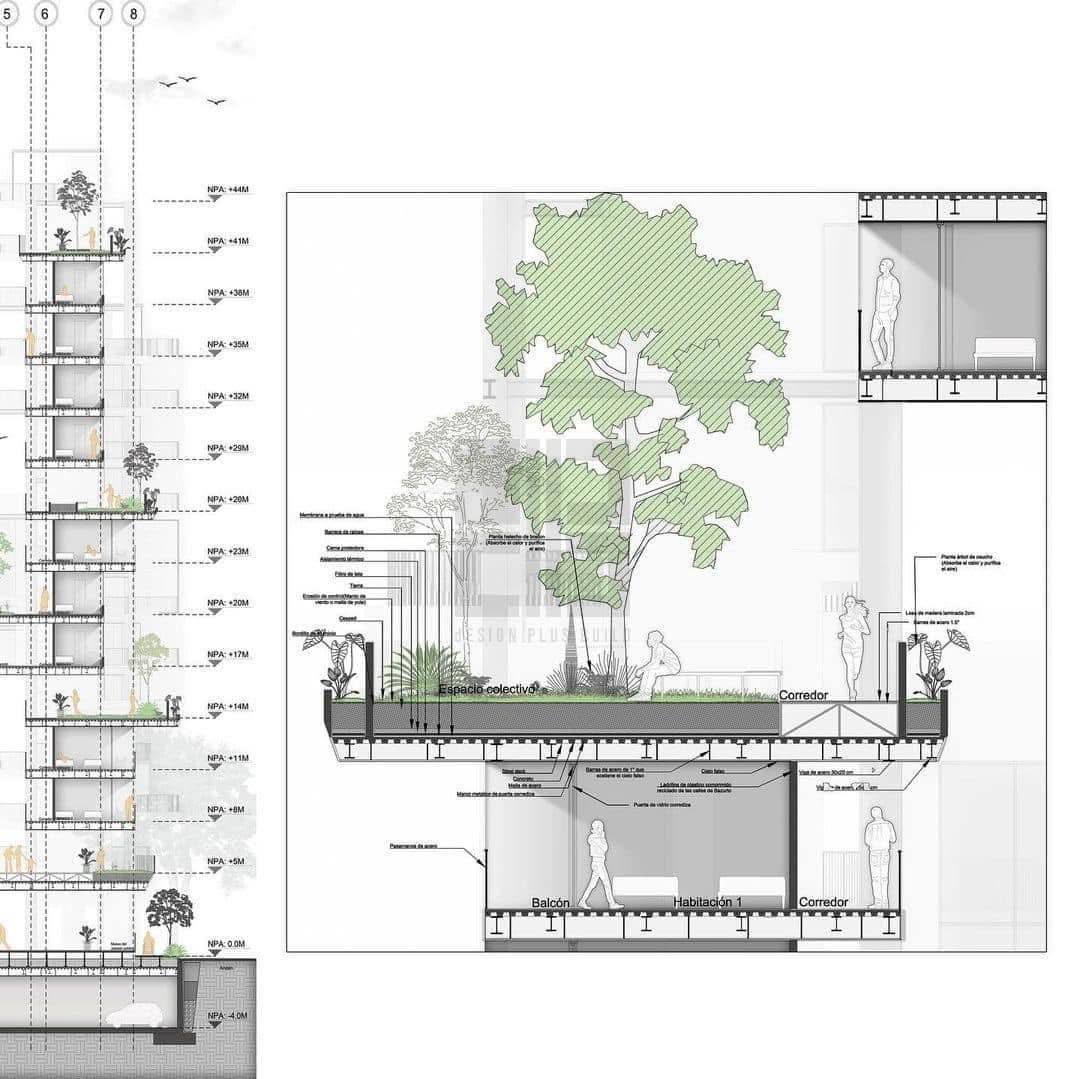
Technical Working Drawings
Someone accountable on site, checking the work against the drawings, so you are not managing contractors on your lunch break.
Most interior projects that overrun do not fail at the design stage. They fail at the coordination stage — the joinery arrives before the floor is ready, the electrician has left before the lighting positions are confirmed, and nobody checked the wall was square before the wardrobes were made.
Project management is the unglamorous work that decides whether a good design becomes a good space. We hold the programme, the procurement, the contractors and the quality checks, and we tell you honestly when something moves.
We review the design package, establish the works, and build a programme with realistic dates.
Long-lead items identified and ordered early, because joinery lead times set the critical path.
Selection, briefing and clear scope allocation so nothing falls between two trades.
Regular inspections against the drawings, with issues raised early and documented.
Variations priced and approved before they happen, not discovered at the end.
Defects list produced, chased and closed out before the space is handed over.
Yes. We review the drawing package first and flag anything that will cause problems on site before work starts — which is usually the most valuable part of the exercise.
That depends on the stage. Critical stages — setting out, first fix, joinery installation — need close attention; quieter periods need less. We agree the pattern at the start.
Yes, as soon as we know, with what it means and what we are doing about it. Late information is worse than late work.
We can advise on and verify payment applications against work completed. The commercial arrangement is agreed with you at the outset.
The defects list produced near completion — the doors that catch, the paint that is short, the fitting that is out of line. Chasing it properly is the difference between a project that feels finished and one that feels almost finished.
Tell us about the space and your budget range. You do not need drawings or measurements — we survey the space and produce the floor plans ourselves.